
Build Your Second Brain: Systems That Remember So You Can Create
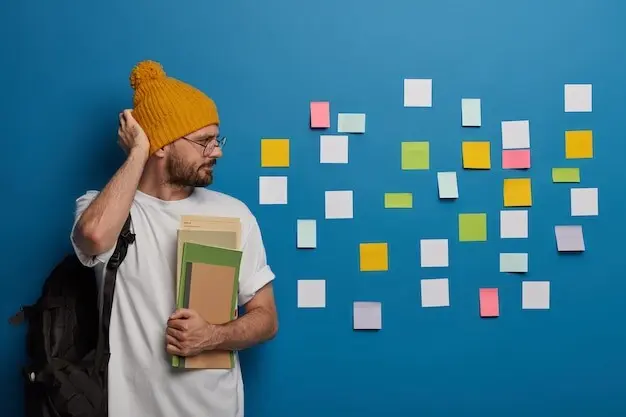
Today we explore Building a Second Brain: Practical Systems for Organizing Your Ideas, translating proven methods like PARA, progressive summarization, and frictionless capture into everyday rituals. Expect clear steps, relatable stories, and adaptable templates that reduce decision fatigue. By offloading details into reliable structures, you reclaim focus for deep work, creativity, and calm execution. Share your current note system and what frustrates you most, and we will build forward together with experiments you can try this week and refine over time.

Capture Without Friction

Great ideas vanish when capture is slow or complicated. The heart of a second brain is a capture habit that meets you where inspiration actually happens: on the commute, mid-meeting, during a walk, or while reading. We will build a low-resistance pipeline that accepts text, voice, images, and links instantly, then gently moves raw inputs toward clarity. Start simple, protect momentum, and prefer reliability over novelty so your future self can trust what arrives in the inbox every single day.

Everyday Triggers That Signal Save, Not Search

Train yourself to notice high-signal moments: a sentence that makes you nod, a question that refuses to leave, or a vivid example you might want later. Instead of promising to remember, capture immediately with the closest available tool. Pair specific contexts with predefined shortcuts, like a double-tap on your phone or a watch voice memo. By turning micro-moments into a predictable reflex, you trade anxiety for momentum and transform randomness into a growing reservoir of useful raw material.

Low-Drag Inboxes: Voice, Quick Notes, and Email

Your inboxes should be few, obvious, and lightning fast. Use a universal quick-capture note, a voice inbox for walking or driving, and a dedicated email address for forwarding articles or receipts. Keep them uncluttered through a tiny daily sweep that labels or archives in seconds. Avoid fancy categorization while capturing; speed and reliability matter more. When your system accepts anything, anywhere, without judgment, you will capture generously and trust that processing will refine what matters later.

From Overwhelm to Clarity: A Personal Turning Point

I once lost a brilliant client insight scribbled during a taxi ride. Days later, I could remember the feeling but not the words. After that sting, I set up a single-tap capture shortcut and a nightly five-minute triage. Within a week, scattered fragments began forming patterns. Confidence replaced anxiety. The difference was not talent, only trust: a system that caught thoughts at speed, then made them easy to rediscover when opportunities arrived unexpectedly.

Organize with PARA, Not Perfection

PARA—Projects, Areas, Resources, Archives—prioritizes action over immaculate folders. Organize by what you are moving forward now, not by abstract categories that rarely help under pressure. Projects gather immediate materials; Areas maintain ongoing standards; Resources store optional inspiration; Archives keep history lightweight. The elegance is flexibility: everything finds a place without endless debate. This reduces cognitive load, accelerates retrieval, and keeps momentum visible. As your life shifts, PARA adapts gracefully, matching the messy, living nature of real work.
If something has an outcome and a deadline, it belongs under Projects. Start each project folder with a brief intent statement, a simple checklist, and a most-important note pinned on top. Pull only the essentials from elsewhere so your workspace is uncluttered and focused. When completion arrives, sweep leftovers to Archives. This rhythm prevents bloat, concentrates attention, and ensures every morning you see what actually deserves energy, not a museum of abandoned ambitions and scattered references.
Areas are the ongoing responsibilities that never truly end: health, finances, learning, leadership, family. Give each area a lightweight dashboard listing current standards, a few metrics, and links to active projects. The goal is stewardship, not perfection. When you review Areas, you spot drift early and translate concerns into clear projects. Over time, this alignment turns vague obligations into manageable actions, creating a personal operating system that nudges better choices before they become emergencies or expensive distractions.

Distill for Speed of Retrieval

Raw notes are helpful once; distilled notes are helpful forever. Progressive summarization layers signals—bold, highlights, executive summaries—so future you can scan in seconds and still grasp meaning. Keep each pass short and opportunistic, usually triggered during project work or reviews. The goal is to increase the surface area of discoverability without rewriting everything. When focus is costly, a few highlighted lines and a crisp summary transform a dense article into a ready-to-use insight that accelerates execution.

Progressive Summarization in the Real World

Start with natural highlights as you read. On the next encounter, bold the essential sentences. Later, write a two-to-three sentence summary capturing the point, not the prose. Eventually, lift a one-line insight or checklist that travel well across contexts. These thin layers compound value while demanding minimal effort. The practice respects momentum: you summarize when it is easy, and benefit most when time is tight, energy is low, and clarity decides whether something ships today or drifts indefinitely.

Layered Highlights That Survive Time

Notes decay unless future context is considered. Layering protects against loss by creating multiple entry points: a striking quote, a bolded pivot sentence, a portable summary, a reusable diagram. Each layer answers the question, How will I reuse this later? This orientation transforms notes from archives into tools. Months later, you will rediscover value fast, with breadcrumbs guiding you from spark to structure, enabling seamless reuse across new projects without rereading entire sources or reinventing already settled reasoning.

Patterns Over Pages: Meaning Emerges

Meaning lives in patterns, not pages. When you distill, similarities appear: repeated metaphors, recurring obstacles, proven transitions. Start tagging with verbs that signal action—explain, pitch, decide—then link related notes. During planning, scan these clusters first. Instead of wrestling with a blank page, you assemble from matured insights. The resulting work feels original yet inevitable, because it is assembled from authentic experience, curated over time, and shaped into forms your future projects can trust and reuse repeatedly.

Connect and Create from a Knowledge Graph

A second brain thrives when connections are easy to form and delightful to follow. Bidirectional links, related notes, and lightweight maps help ideas collide productively. The point is not a perfect graph, but useful neighborhoods of meaning. Link things that might help each other tomorrow. Favor human-readable titles and short, descriptive summaries. Creation becomes assembly: you pull proven components, bridge them with transitions, and ship faster. The graph stays alive because projects constantly prune, refine, and reveal opportunities.

Link Notes the Useful Way

Prefer links that explain why, not just where. When connecting two notes, add a short sentence describing the relationship and the situation where it matters. This context acts like a handle for your future self. Use sparse, memorable link phrases rather than cryptic identifiers. Over time, your web becomes navigable by thought, not only by keyword, making exploration feel like a guided conversation with your past curiosity, rather than a scavenger hunt through half-remembered folders and forgotten filenames.

Make Evergreen Notes

Evergreen notes capture durable ideas, not transient details. Write them in your own words, give them clear titles, and keep them short enough to re-read easily. Each should express one claim or distinction, with links to supporting evidence. Revisit periodically, refining clarity and examples as your understanding matures. These notes become reusable building blocks across presentations, articles, and decisions. Invite discussion by sharing a few publicly, asking readers to challenge assumptions or contribute counterexamples that sharpen the idea further.

Routines That Keep It Alive

Systems fail not from complexity but from neglect. Short, friendly routines sustain momentum: a tiny daily capture sweep, a weekly project review, and a monthly clean-up of stale material. Each ritual is intentionally lightweight and time-bounded. Protect them with calendar blocks and visible checklists. Celebrate completion rather than aiming for perfection. When routines run reliably, you feel lighter, decisions speed up, and your mind trusts that nothing important is being lost. Consistency outperforms intensity in building lasting intellectual leverage.

Tools, Templates, and Safeguards

Tools matter, but only insofar as they reduce friction and increase reliability. Choose apps that sync quickly, search well, and export cleanly. Build a few battle-tested templates you can reuse under pressure. Protect everything with versioned backups and off-ramps that avoid lock-in. Document your capture shortcuts and review checklists where you actually work. Invite readers to share their favorite configurations. Together we will refine a minimal, trustworthy toolkit that serves the method without overshadowing it or demanding constant tinkering.

01

Pick Tools That Fit Your Hands

Start where you already are: a notes app you trust, a cloud drive, and email. Add only when a bottleneck is undeniable. Evaluate tools by capture speed, search quality, linking ease, and export options. Trial for a week inside one real project before committing. Your system must feel invisible during focus and dependable during chaos. Share your stack in the comments, and we will compare tradeoffs honestly, prioritizing momentum and durability over novelty and complicated, brittle configurations.

02

Templates That Reduce Thinking Debt

Templates turn hesitation into motion. Create a project kickoff page with intent, stakeholders, milestones, and next actions. Build a weekly review checklist, a reading note layout, and a one-page brief for decisions. Keep each template brutally short and tuned through use. Update live, not in theory. The payoff is compounding: less context switching, faster onboarding for collaborators, and a comforting sense that you always know the very next step, even when energy dips or uncertainty briefly spikes.

03

Backups, Portability, and Trust

Confidence grows when you know nothing critical can vanish. Schedule automated exports, keep a local encrypted copy, and test restores quarterly. Favor open formats or at least reliable export paths. Document where everything lives and who has access. If collaboration is involved, agree on permissions and change logs. With safeguards in place, experimentation becomes safer, procrastination shrinks, and you can invite feedback without fear. Share your backup wins and scares to help others avoid painful, entirely preventable losses.

Pirakarorinokiramexodexo
Privacy Overview

This website uses cookies so that we can provide you with the best user experience possible. Cookie information is stored in your browser and performs functions such as recognising you when you return to our website and helping our team to understand which sections of the website you find most interesting and useful.